
Mold Removal and Mould Remediation Clermont
Mold is a widespread fungus found year-round practically anywhere, indoors and out. There are countless varieties of mold, and wherever there is moisture and oxygen, microscopic spores also thrive. Mold adheres to the surfaces inside and outside homes and buildings as it moves through the air. Mold can harm and discolor materials if it establishes itself. An expert assessment should be carried out to determine what caused a mold problem and what procedures should be taken to carry out thorough mold remediation and repair to prepare for effective mold remediation of a project thoroughly in Clermont.
Cleaning and removing mold are both parts of the mold remediation process. As mold spores are discharged into the air when disturbed, cleaning the mold is merely a short-term fix that may result in further damage. A professional or expert must examine the issue to discover what is causing the mold to grow and then take several procedures to eliminate it and keep it from coming back.
Insulation, flooring, textured paint, ceiling, roof tiles, and other building materials imported into the Clermont still contain asbestos. Mesothelioma and asbestosis are two devastating conditions that can arise from asbestos exposure in Clermont. Before demolishing or remodeling a business, educational, or multi-unit residential facility, the EPA mandates that you do an asbestos inspection.
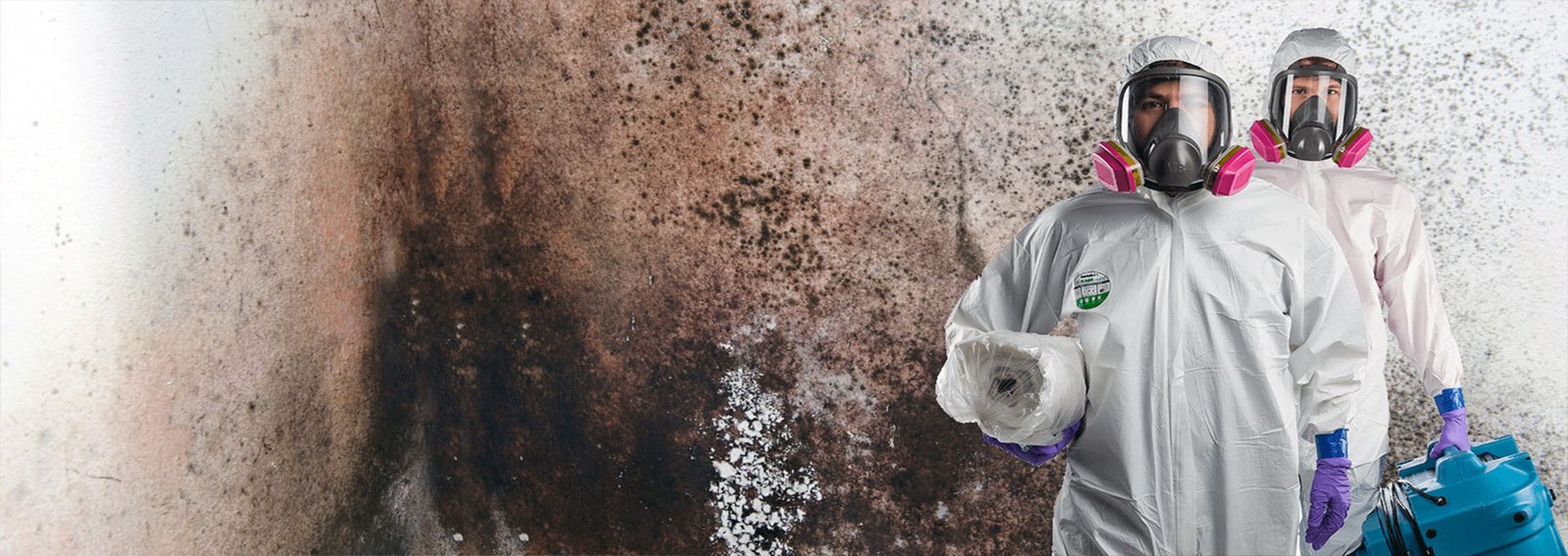
Regarding mold, there are two crucial aspects to keep in mind:
- Avoid it by performing actions correctly the first time.
- If you do develop face mold, treat it right away.
The latter is taken care of by ensuring your warranty staff adheres to mold cleanup and remediation procedures.
Mold Inspection
An expert who is trained, equipped with the right tools and equipment, and aware of what to look for should conduct a mold inspection. The first step of a mold inspection is a visual examination of the affected area and building components. Next, the inspector will find the water source that initially led to mold growth in Clermont. Finally, if necessary, the inspector will collect a sample of the damaged area for testing. One of the most terrifying issues for a property is a mold infestation. Unrecognized mold infestation can lead to allergies, musty odors, and even structural damage. Mold is almost always associated with moisture and high relative humidity. When mold spores touch wet indoor surfaces, mold infestation results. Nothing more or less than walking around the house looking for signs of mold growth constitutes a mold inspection. If we discover a “moldy area less than around 10 square feet” in size, the EPA expressly states that we can take care of the mold issue ourselves.
Mold Testing
Testing for mold is often necessary to better understand the danger to occupants in homes and workplaces with mold issues. Mold testing enables us to categorize the mold as allergic, pathogenic, or a more toxigenic severe species like stachybotrys, also known as the toxic black mold in Clermont. Through increasingly sophisticated mold testing techniques, a mold test may quantify the concentrations of mold present in the air and identify the species there.
Mold Air Quality Testing
The best mold testing technique to determine the degree of mold contamination inside a structure is air testing, also known as air quality testing. The mold air testing procedure will identify and quantify every significant group of mold species in the air in Clermont. To better understand what mold sources exist indoors, this contrasts with what is discovered in the outdoor air. For example, an air quality test can find mold hiding behind walls, floors, or ventilation systems.
Air testing is the only technique to correctly identify the amount and type of mold someone is breathing in when experiencing adverse health effects from mold exposure brought on by spores moving through the air. To validate the presence of mold, surface mold testing, also known as direct surface mold testing or direct tape lift, determines the species of mold present on substrates. If mold is visible, a surface test will identify the species and establish whether it is allergenic, pathogenic, or toxic. These techniques are non-intrusive and destructive-free.
Mold Removal and Remediation – Clermont
In general, “remediation” refers to a systematic, exacting process that eliminates contaminants from an environment while abiding by predetermined standards and guidelines. There are many different types of remediation, such as thermal soil, bioremediation, and mold remediation.
When it comes to mold remediation can be challenging. You must first realize that a mold problem requires more than just physically removing the mold from the affected area to treat it effectively in Clermont. You must follow protocols to ensure safety, minimize exposure, and produce long-lasting benefits.
When a mold test results in a positive impact, it is time to address and eliminate the underlying problem. To ensure that the procedure of mold remediation (also known as mold removal) is completed the first time correctly, it should be carried out by a skilled and competent specialist. The air can be restored to its pre-mold condition thanks to our knowledgeable and experienced personnel.
Safety Precautions for Mold Removal in Clermont
We advise taking the following precautions if you need to eliminate mold concentrations or black mold that covers more than a few square feet:
- Wear out-of-date clothing and footwear that you can wash or discard after the cleanup.
- Gloves, goggles, and specialized n-95 or p-100 respirators should be worn.
- While working, place an old box fan or an inexpensive new one in a window to ventilate the space. When you’re finished cleaning, dispose of it because the spores are nearly impossible to remove. To prevent the spores from blowing back in, tape plywood or cardboard around the window apertures.
- Moldy carpets should be wrapped and taped in 6-mm plastic, and mold-infested waste should be double-bagged and disposed of in rubbish bags.
- Use a lawn sprayer to wet moldy areas as you work to control airborne spores.
- Turn off your heater and air conditioner to contain spores, cover ducts, and close doors.
- When vacuuming, keep your wet / vacuum outside.
Mold Removal Emergency in Clermont?
Call Today!
1-833-508-0207
Learn more ↴