
Water Flood Damage Repair Melbourne Cleanup!
Water damage is a nightmare that no homeowner wants to experience. This type of property damage can cause structural deficiencies and safety issues in the home. The extent of the damage and potential dangers are often hidden. Many people are interested in what water damage repair entails. Is it also insured? For these reasons and more, it is important to have your house assessed by a qualified water company after any type of water damage or flood. The good news is that qualified professionals can estimate the total amount of damage and restore your water damaged home to its original condition! In the case of water damage, it is important to act quickly because the damage will develop over time and the repair will spread.
Water damage not only damages the structural integrity of your home, but can also pose a threat to your health. Mold, fungus and other microorganisms thrive in moist, water-damaged environments. Living in Melbourne only increases the likelihood of mold. Long-term exposure to mold toxins can cause respiratory illnesses and other health problems in Melbourne. Water drainage is much more complex than the average person realizes and we strongly recommend professional help if your home has suffered water damage in Melbourne. This complex method requires more work than simply sucking up visible water. Many of our buildings are made of materials and furniture that absorb excess moisture. A common mistake is that only porous materials such as cushions or carpet are susceptible to water damage in Melbourne. However, drywall, cabinets, floors, insulation and other materials can be damaged.
Water restoration and water mitigation are two services offered to households after damage. Mitigation is the process of preventing further damage after a property is flooded. In this situation, experts focus on removing items from the house and away from the water source, as well as taping roofs or opening windows and walls to prevent further damage in Melbourne. Restoration, on the other hand, focuses on the existing damage to the house. In such cases, specialists provide emergency assistance to restore the house to its original state. Materials and other property must be cleaned and repaired, if not completely replaced.
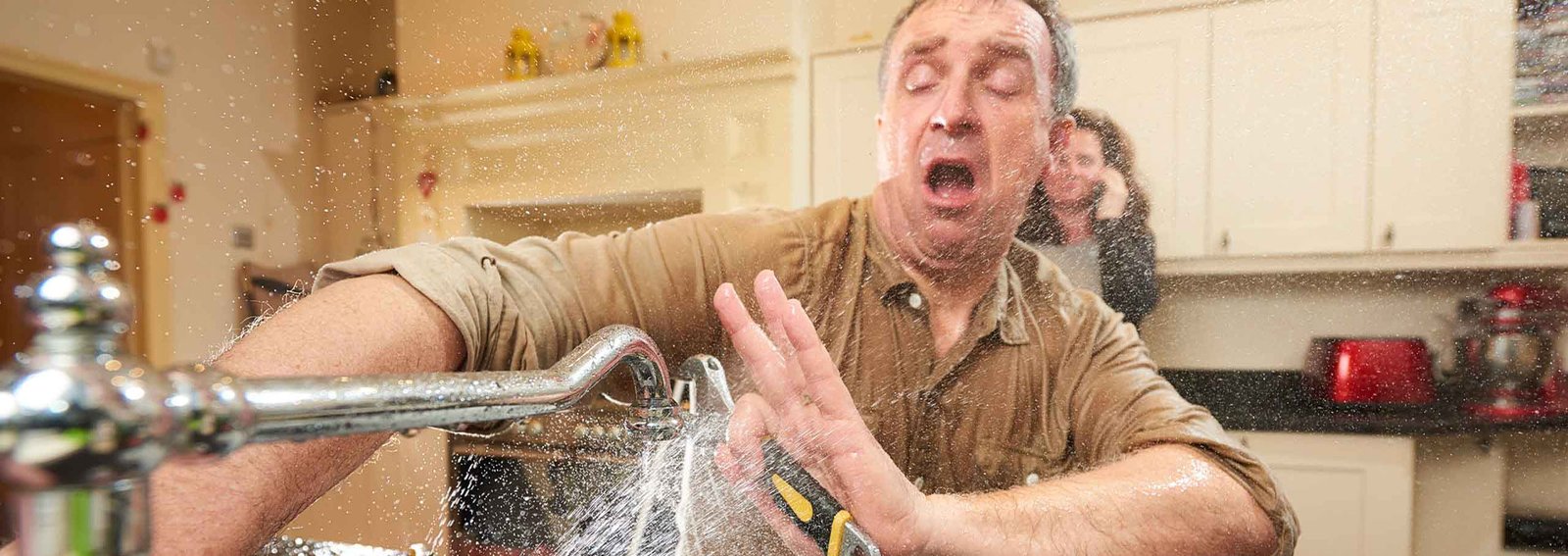
Water / flood damage repair
We offer quick restoration with a quick response. Our objective as a top ranked restoration business in Melbourne, is to give outstanding service with the accuracy and quality that our customers deserve. When you need emergency water extraction, go no farther than Melbourne’s premier restoration business. We react to emergency property damage situations 24 hours a day, 7 days a week.
Inspection and assessment
Having a professional undertake a thorough inspection is the first stage in the water restoration procedure. During this step, professionals will use a number of tools to analyze the extent of damage in Melbourne. They categories and classify the damage to assess the scope of repair. Inspectors will offer you with an estimate at the end of this procedure.
Dewatering services
This step is time-sensitive and must begin as soon as feasible. The longer standing water sits within your home, the more harmful it gets for your structure as well as you. At this point, the repair staff will also remove any impacted personal possessions. To remove water fast and effectively, high-powered pumps are employed. Additional inspections are required during this stage to determine the extent to which flooring will need to be replaced.
Ventilation & dehumidification
After the water has been removed, specialists will begin drying and dehumidifying the damaged area. Even if your property seems dry following the water extraction step, walls and other components are frequently damp to the touch. As a result, this step is critical to preventing further damage or mould growth. During this period, an expert will supervise the procedure and monitor the moisture levels in your property.
Cleaning and disinfecting
For the cleaning and sanitation component of your water cleanup, you must employ professionals. These people have been educated in the cleaning procedures needed to protect the safety of water-damaged properties in Melbourne. They will treat for mold and microbial development at this time. During the cleaning process, special personal protection equipment is utilized to avoid contact with harmful contaminants
Comprehensive Water Damage Refurbishment in Melbourne
After cleaning up, the recovery team’s mission is to restore your home to its pre-disaster state. Flooring, cabinets, and other structural elements can be removed, repaired, or replaced. This phase of the restoration may be fairly easy or extremely substantial, depending on the amount of the damage, with projects ranging from basic drywall repair to entire reconstruction of particular elements of the structure.
Things to avoid during flood damage:
- Keeping careful during the flood cleanup
- Never drive, bike, or walk-through floodwater persons entering floodwater, particularly children, are the leading cause of mortality during floods.
- Floodwater and mud can contain rubbish, chemicals, debris, sewage, and other potentially harmful substances such as pathogenic bacteria, fungus, and viruses.
- Flooding can also increase the number of spiders and snakes. Stay cool and calm to deal with them.
- Wear protective clothing while putting out flood-damaged items for collection.
- When working with electricity, gas, or water, exercise extreme caution. If your gas, power, or water supply has been damaged or unplugged, do not attempt to restore it.
- After floods and storms, fallen power wires may be live and cause electrocution, therefore avoid them.
- Solar panels can be harmful since they generate electricity even when the power is shut off and the panels are turned off at the switchboard.
- Before utilizing gas appliances or gas bottles that have been exposed to floodwater, make sure they are safe.
- Asbestos may be found in many homes and buildings, typically in the form of flat or corrugated sheets of fibro used for walls, ceilings, and roofs. Asbestos must be handled with caution.
Enter damaged buildings or structures only if officials say it is safe. Keep an eye out for snakes, spiders, rodents, and other creatures that may have sought sanctuary in the structure, building, or furnishings. Mud, debris, and floodwater should be removed from wall and floor cavities. Mold or mildew may form if goods are not entirely dried.